A Medical Perspective on Modern Facial Care
By Aida, Specialist Clinical Pharmacist
Traitements Esthétiques Clinic
Non-surgical aesthetic treatments are often described in simplified terms — “tweakments”, “lunchtime procedures”, “anti-ageing injections”. While those labels may make treatments sound accessible, they rarely reflect the medical depth behind them.
Aesthetic medicine sits at the intersection of pharmacology, anatomy, dermatology and psychology. When practised responsibly, it is not about chasing youth or trends. It is about understanding how the face changes over time, and supporting those changes safely and proportionately.
This article explains what non-surgical aesthetic treatments actually are, how they work beneath the surface, and why proper medical assessment matters more than product choice.
Understanding the Term “Non-Surgical”
The phrase non-surgical simply means that no incisions are made and no general anaesthetic is required. It does not mean non-medical, casual, or risk-free.
Non-surgical aesthetic treatments are medical procedures that aim to improve:
- Facial balance
- Skin quality
- Expression lines
- Structural support
They are performed using prescription medicines or regulated medical devices. Unlike surgery, they are temporary and adjustable. That flexibility is part of their appeal — but it also demands careful planning and restraint.
The absence of a scalpel does not remove the need for clinical judgement.
A Layered Understanding of the Face
To understand non-surgical treatments, it helps to understand how the face ages.
Ageing is not a single process. It occurs across multiple layers:
- Bone subtly remodels, changing projection and angles.
- Fat compartments shrink in some areas and descend in others.
- Muscle activity creates repeated creasing.
- Skin gradually loses collagen, elasticity and hydration.
If we treat only what we see on the surface — for example, a single line — without understanding what is happening beneath, results can become unbalanced.
Responsible aesthetic medicine works layer by layer, not line by line.
The Three Clinical Categories of Non-Surgical Treatment
Although many procedures exist, most non-surgical aesthetic treatments fall into three core categories. The distinction is important because each addresses a different cause.
Muscle-Modulating Treatments
Some lines are created primarily by repetitive muscle movement. Frown lines, forehead lines and crow’s feet often fall into this category.
Muscle-relaxing treatments reduce excessive contraction in targeted areas. When carefully administered, they soften movement rather than freeze expression. The aim is to preserve personality while reducing harsh creasing.
These treatments do not lift sagging skin or restore lost volume. Their purpose is specific and targeted.
Structural Support and Volume Restoration
Over time, subtle changes in bone and fat distribution alter facial proportions. Cheeks may flatten, the jawline may soften, and shadows can deepen.
Structural treatments — commonly using hyaluronic acid-based fillers — are designed to restore support where it has diminished. When used conservatively, they can rebalance proportions without exaggerating features.
The key principle is restoration, not augmentation. The face should remain recognisable.
Skin-Focused and Regenerative Treatments
Not all concerns are structural. Often, what patients describe as “looking tired” is related to declining skin quality.
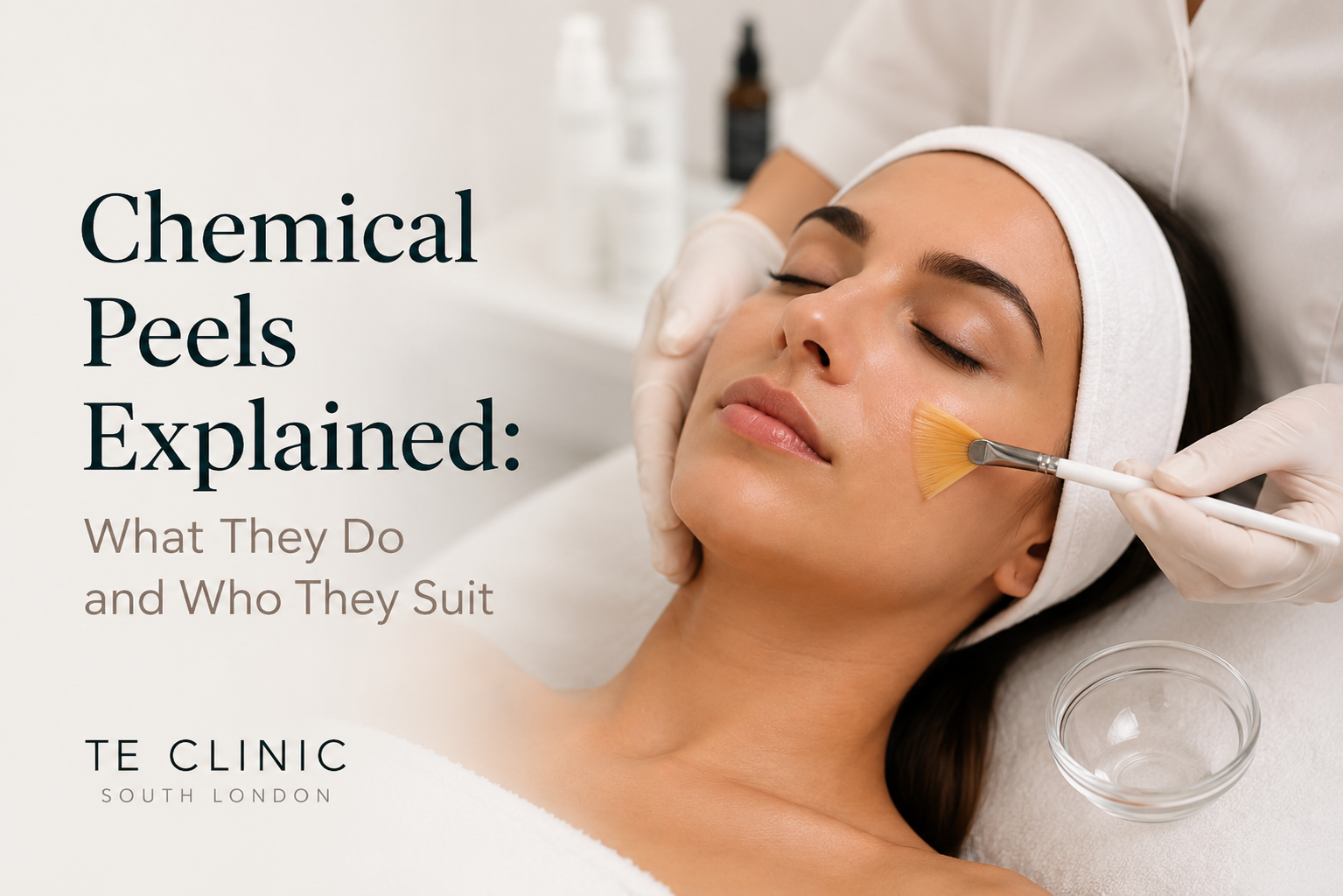
Skin-directed treatments aim to stimulate collagen production, improve hydration, and refine texture. Microneedling, chemical peels and injectable skin boosters fall into this category.
In many cases, improving the skin itself creates more visible change than adding volume. Strong skin is the foundation of good aesthetic outcomes.
What Non-Surgical Treatments Cannot Do
An ethical discussion of aesthetics must include limitations.
Non-surgical treatments cannot remove significant excess skin. They cannot permanently stop ageing. They cannot replace surgery in cases of advanced laxity.
They also cannot solve concerns rooted in unrealistic expectations or emotional distress. This is where consultation becomes crucial.
Knowing when not to treat is as important as knowing how.
Safety: Beyond the Product
Botox and dermal fillers are often discussed as if safety lies within the product itself. In reality, safety lies in:
- Anatomical knowledge
- Dosing judgement
- Injection technique
- Patient selection
- Emergency preparedness
The face contains complex vascular networks. Injectables require precision and respect for anatomy.
At Traitements Esthétiques Clinic, treatments are approached as medical procedures first and aesthetic enhancements second. A thorough consultation precedes any intervention.
Why Consultation Is the Foundation
A meaningful consultation is not a formality. It is a clinical assessment.
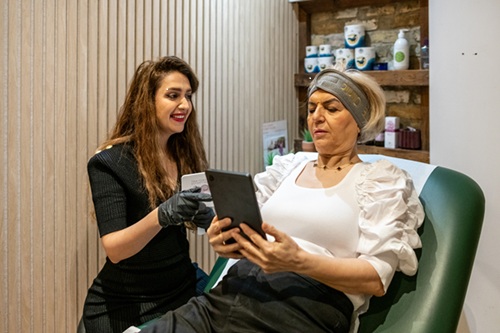
It involves reviewing the medical history, observing facial movement, evaluating skin thickness, and understanding the patient's goals. It also involves exploring motivation — why the treatment is being considered.
Sometimes, the most responsible outcome of a consultation is reassurance rather than intervention.
This is what distinguishes ethical aesthetic practice from transactional treatment.
The Psychological Dimension
Aesthetic medicine interacts with self-perception. Subtle changes in the face can profoundly influence confidence.
Because of this, practitioners must be mindful of:
- Body image vulnerabilities
- External pressure from social media
- Unrealistic ideals
- Dependency on repeat treatment
Ethical care supports emotional wellbeing as well as physical safety. Enhancements should be empowering rather than compulsory.
A Long-Term Perspective
Non-surgical aesthetic treatments are most successful when approached as part of a long-term plan rather than isolated procedures.
Faces change gradually. Treatment plans should evolve gradually too.
This might mean:
- Spacing muscle-relaxing treatments appropriately
- Reassessing volume rather than topping up automatically
- Prioritising skin health before structural changes
- Allowing time between interventions
Longevity and balance matter more than immediacy.
Why Many Patients Choose Non-Surgical Options
For many individuals, non-surgical treatments offer a middle ground between doing nothing and undergoing surgery.
They provide:
- Minimal downtime
- Adjustability
- Gradual refinement
- A more natural aesthetic trajectory
Importantly, they allow patients to remain in control of the extent of change —and when.
Natural Results Are Deliberate
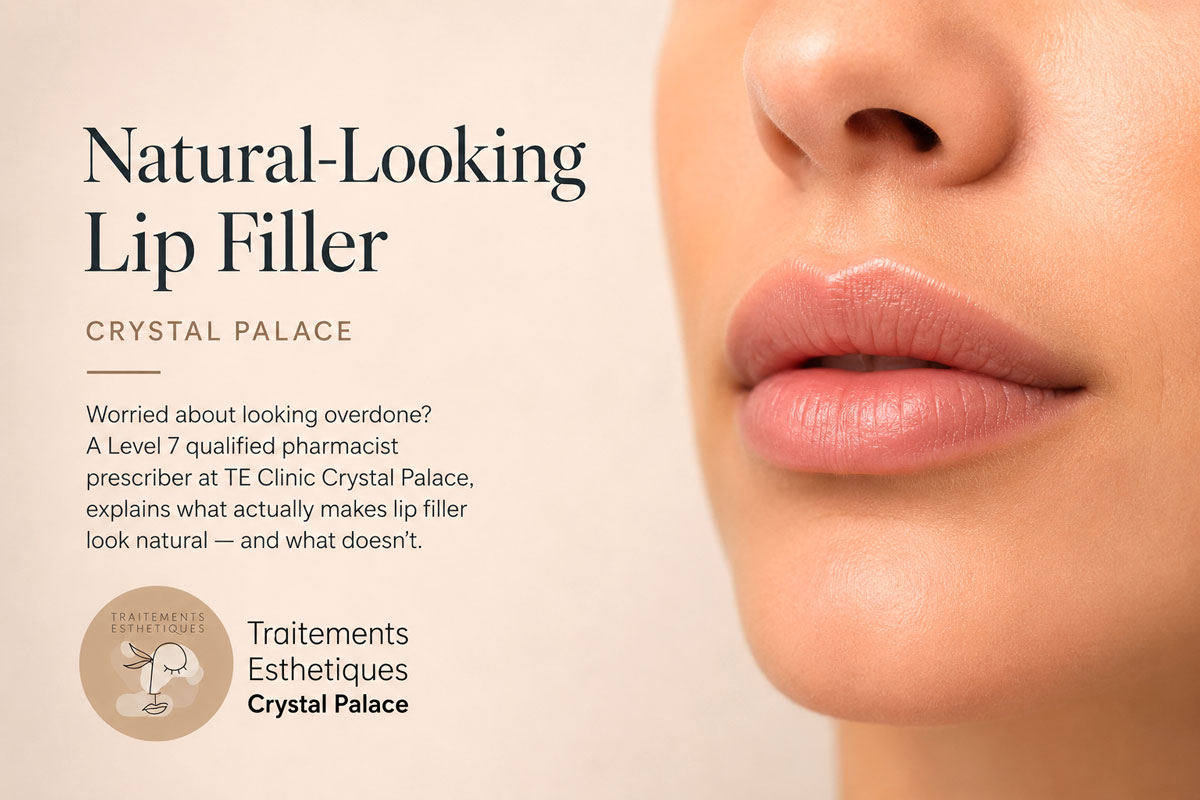
One of the most common concerns expressed by new patients is looking “overdone.”
Unnatural results rarely stem from the concept of non-surgical treatment itself. They arise from overcorrection, repetition without reassessment, or ignoring facial balance.
Natural results require restraint. They require an understanding of proportion and a willingness to do less rather than more.
Final Reflections
Non-surgical aesthetic treatments are neither superficial nor trivial. When delivered responsibly, they represent a nuanced form of medical care that respects anatomy, psychology, and time.
They are not about erasing age. They are about supporting the face as it evolves.
If you are considering treatment, the most important step is not choosing a product — it is choosing a practitioner who values assessment, education and ethics above all else.
About the Author
Aida
Specialist Clinical Pharmacist
Traitements Esthétiques Clinic
“As a clinical pharmacist, my approach to aesthetics is grounded in safety, anatomy and long-term thinking. Treatment should always feel considered, never rushed.”