Microneedling has become one of the most sought-after skin treatments in medical aesthetics — and for good reason. It is one of the few non-surgical procedures backed by peer-reviewed clinical evidence, suitable for a wide range of skin concerns, and capable of delivering genuine, lasting improvements without surgery or significant downtime.
But with microneedling now available everywhere from medical clinics to beauty salons and even high street chains, patients are rightly asking questions: What does it actually do? Is it safe? And does it matter who performs it?
In this guide, I want to answer those questions honestly — covering the science, the process, what to realistically expect, and why the setting and qualifications of your practitioner make a very real difference to your outcome.
Aida — Specialist Clinical Pharmacist and founder of TE Clinic South London, Crystal Palace.
What Is Microneedling?
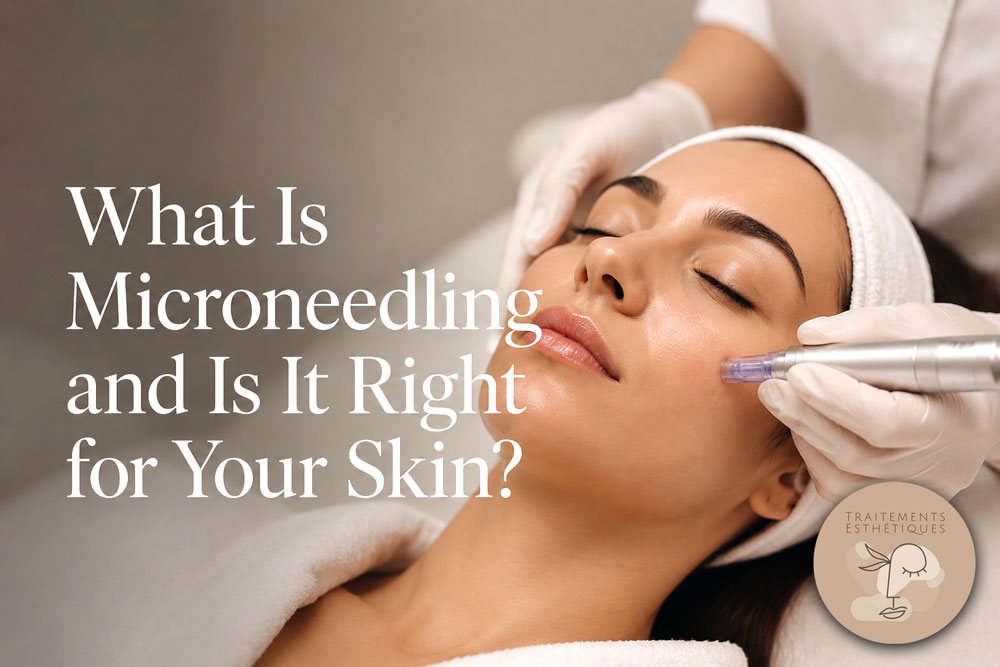
Microneedling — also known as collagen induction therapy — is a minimally invasive skin treatment that uses a device fitted with fine, sterile needles to create thousands of precisely controlled micro-channels in the surface of the skin. These micro-injuries are intentional: they trigger the skin's natural wound-healing cascade, prompting the production of new collagen and elastin without damaging the surrounding tissue.
The concept was first developed in the 1990s, when researchers observed that controlled micro-trauma to the skin stimulated regenerative processes. Today, medical-grade microneedling devices allow practitioners to adjust needle depth to within fractions of a millimetre, targeting specific layers of the skin depending on the concern being treated.
A 2024 review published in Cureus (Jaiswal & Jawade, PMC11499218) confirmed that microneedling is effective for treating a range of skin conditions including acne scars, wrinkles, hyperpigmentation and stretch marks, describing it as "a minimally invasive dermatological procedure that has gained widespread popularity." A separate 2025 narrative review across 70 studies found the main physiological mechanisms include collagen and elastin production, angiogenesis (formation of new blood vessels), and improved epidermal barrier function post-treatment.
In plain terms: it uses your skin's own biology to repair and renew itself.
What Skin Concerns Does Microneedling Treat?
Microneedling is one of the more versatile treatments in aesthetics because it addresses several common concerns at once, rather than targeting a single issue in isolation. At TE Clinic's microneedling treatment, we most commonly see patients seeking improvement for:
Skin Texture and Uneven Tone
One of the most consistent results patients notice is smoother, more refined skin texture. The collagen stimulation process gradually improves the surface quality of skin that may feel rough, dull, or uneven — particularly common in patients who have spent years exposed to the elements, or who have dealt with mild scarring.
Acne Scars and Post-Acne Marks
Microneedling is particularly well-evidenced for mild to moderate acne scarring. The treatment breaks down fibrous scar tissue while stimulating new collagen to fill and remodel indentations. This is a gradual process — you will not see a complete transformation after one session — but across a course of treatments, genuine improvement in scar depth and appearance is achievable for many patients.
Fine Lines and Early Signs of Ageing
As we age, collagen production slows naturally. Microneedling re-stimulates those pathways, which over time helps to soften early fine lines and improve skin firmness. It is not a replacement for anti-wrinkle injections where dynamic lines are concerned — but as part of a broader skin health plan, it complements other treatments well.
Enlarged Pores
Microneedling helps to contract and refine the appearance of enlarged pores, particularly around the nose and cheeks, by improving the elasticity and structure of the surrounding skin.
Dull or Lacklustre Skin
Even patients without a specific skin concern often notice a significant improvement in overall radiance and glow. The process of stimulating new collagen, elastin and improved vascularisation gives skin a fresher, more awake appearance.
It is worth being clear about what microneedling does not do well: it is not the most effective treatment for deep, ice-pick acne scars, active cystic acne, or significant skin laxity. A good practitioner will tell you this honestly in consultation, and discuss whether a combination approach — for example, microneedling alongside Profhilo or polynucleotides — might deliver better results for your specific concerns.
What Happens During a Microneedling Treatment at TE Clinic?
Understanding the process before you arrive helps you feel more relaxed on the day. Here is what to expect at TE Clinic Crystal Palace:
1. Consultation
Every treatment begins with a thorough skin assessment and discussion of your concerns, skin history, and goals. This is where we determine whether microneedling is the right treatment for you, what depth and approach is appropriate for your skin type, and how many sessions you are likely to need. It is also where we check for any contraindications — more on those below.
2. Cleansing and Numbing
The skin is thoroughly cleansed, and a topical numbing cream is applied if appropriate for your comfort and the areas being treated. The numbing cream typically takes around 20–30 minutes to take effect.
3. The Treatment
Using a medical-grade device with a sterile, single-use needle cartridge, the skin is treated in controlled passes at precise depths — typically between 0.5mm and 2.5mm depending on the area and concern. The depth is adjusted anatomically: delicate areas such as around the eyes require shallower settings than areas like the cheeks or jawline. The treatment itself usually takes 30–45 minutes depending on the size of the area being treated.
4. Immediately After
Expect the skin to look red — similar in appearance to mild sunburn — and feel warm and tight. This is a completely normal inflammatory response and a sign that the healing cascade has been triggered. A soothing serum is applied, and you will be given clear aftercare instructions before you leave.
5. Recovery
Redness and warmth typically resolve within 24–48 hours. Mild dryness or light flaking may follow over the next few days as the skin renews itself. Most patients can return to work the following day, though you should plan to avoid make-up for the first 24 hours, avoid heat and exercise for 24–48 hours, and keep sun exposure to a minimum while the skin heals. Daily SPF 30–50 is essential.
How Many Sessions Will You Need?
Most patients benefit from a course of 3 to 6 sessions, spaced 4 to 6 weeks apart. This spacing allows the skin to complete its healing cycle between treatments and ensures that collagen remodelling can build cumulatively.
Skin often looks fresher and more radiant within 7–10 days of the first session, as the initial healing response improves surface quality. The deeper collagen improvements continue to develop over 6–12 weeks after each session, meaning that the full results of a course become visible gradually rather than all at once.
After completing a course, many patients choose maintenance sessions every 3–6 months to sustain their results and continue stimulating collagen production as part of a longer-term skin health plan. This approach — consistent, cumulative treatment rather than one-off procedures — aligns with how we approach skin health at TE Clinic, and is something we discuss in more detail in our guide to long-term aesthetic planning.
Who Is a Good Candidate for Microneedling?
Microneedling is suitable for a wide range of people and skin types. You are likely a good candidate if you want to improve any of the following:
- Skin texture or dullness
- Fine lines and early signs of ageing
- Mild to moderate acne scarring or post-acne marks
- Enlarged pores
- Uneven skin tone
Microneedling is also generally safe across a wide range of skin tones, which makes it more accessible than some laser-based treatments. However, for patients with darker skin tones (Fitzpatrick types IV–VI), the risk of post-inflammatory hyperpigmentation (PIH) — where the skin overproduces melanin in response to the treatment — requires careful consideration of needle depth, technique, and aftercare. This is something we assess thoroughly in consultation and manage through careful depth selection, appropriate timing between sessions, and consistent sun protection protocols.
When Microneedling May Not Be Suitable
Suitability is always assessed individually, but microneedling is generally not recommended if you have:
- Active acne, eczema, psoriasis or rosacea in the treatment area
- A history of keloid scarring
- Used oral isotretinoin (Roaccutane) within the past 6 months
- Active cold sores or a known history of frequent cold-sore reactivation (which can be triggered by skin trauma — we can discuss antiviral prophylaxis in these cases)
- Current pregnancy
- Blood clotting disorders or use of blood-thinning medications (this is assessed case by case)
This is not an exhaustive list. A proper face-to-face consultation, where we review your full medical history, is the only way to determine whether microneedling is safe and appropriate for you as an individual.
Medical Clinic vs Beauty Salon: Why It Matters for Microneedling
This is perhaps the most important section of this guide — and one that many practitioners do not address directly enough.
Microneedling is available in a very wide range of settings: from dermatology clinics and medical aesthetic practices to beauty salons, nail bars and mobile therapists. The price difference between these settings can be significant. The safety difference can be even more significant.
Here is what the setting and qualifications of your practitioner actually affect:
Prescription Access and Clinical Judgement
Medical-grade microneedling performed by a prescriber means that the practitioner can make informed clinical decisions about your suitability, can identify contraindications, and can prescribe or recommend appropriate medications if complications arise — such as antiviral prophylaxis for patients prone to cold sores, or management of unexpected skin reactions. A beauty therapist without prescribing rights does not have this ability.
At TE Clinic, Aida is a Specialist Clinical Pharmacist and independent prescriber — meaning she has the clinical training, regulatory framework, and prescribing authority to make these decisions safely. This is one of the core differences between a medical aesthetics clinic and an unregulated beauty setting.
Needle Depth and Device Quality
Effective collagen induction therapy requires needles to penetrate to the dermis — generally 0.5mm or deeper. Evidence supports that at depths below 0.5mm, treatment primarily enhances product absorption rather than triggering meaningful collagen production. Medical-grade devices offer precise, calibrated depth control. Many consumer-grade or salon devices do not provide this level of accuracy, meaning you may be paying for a treatment that is not reaching the depth needed to deliver results.
Sterility and Infection Risk
Microneedling creates thousands of micro-punctures in the skin's surface. In a clinical setting, strict infection control protocols — sterile, single-use cartridges; clinical-grade skin preparation; appropriate post-treatment products — are standard. These protocols are not universally applied in non-medical settings, and the consequences of inadequate sterility can include skin infection, prolonged inflammation, and in rare cases, scarring.
Managing Complications
Adverse events from microneedling are uncommon when performed correctly, but they do occur. Common temporary effects include redness, mild swelling, tightness and flaking. Less common effects include acne flares, cold-sore reactivation, and post-inflammatory hyperpigmentation, particularly in darker skin tones. A trained medical practitioner knows how to identify these early and intervene appropriately. A practitioner without medical training may not.
How to Check Your Practitioner's Credentials
Before booking any aesthetic treatment, it is worth verifying your practitioner's qualifications independently. Two of the most reliable resources in the UK are:
- Save Face — a government-approved register of aesthetic practitioners, accredited by the Professional Standards Authority (PSA). Save Face is exclusive to registered healthcare professionals including doctors, nurses, dentists and prescribing pharmacists, and requires practitioners to pass a rigorous 116-point assessment. You can search the register at saveface.co.uk.
- GPhC, NMC or GMC registers — the statutory registers for pharmacists, nurses and doctors respectively. You can verify any practitioner's registration status on these registers for free.
TE Clinic is Save Face accredited. You can verify our listing directly on the Save Face register. Our guide to choosing a safe aesthetic clinic in Crystal Palace also covers the key questions to ask before booking any treatment.
How Does Microneedling Compare to Other Skin Treatments?
Patients often ask how microneedling fits alongside other treatments they may have heard about. Here is a brief, honest comparison:
Microneedling vs Skin Boosters (Profhilo, Polynucleotides, Jalupro)
Skin boosters such as Profhilo, polynucleotides and Jalupro are injectable treatments that work differently to microneedling — they deliver hydrating, regenerative or collagen-stimulating molecules directly into the skin through injection, rather than triggering the body's wound-healing response. They are excellent for deep hydration, skin quality and regenerative support. Many patients at TE Clinic combine microneedling with skin booster treatments as part of a planned skin health programme — the two approaches complement each other well, targeting different aspects of skin ageing and condition.
Microneedling vs Chemical Peels
Chemical peels work by applying controlled exfoliating agents to the skin's surface, removing the outer layers to reveal fresher skin beneath and stimulate renewal. Like microneedling, peels improve texture, tone and radiance — but they do so through chemical rather than mechanical stimulation. For some concerns, particularly superficial pigmentation and sun damage, peels may be more targeted. For collagen induction and scar remodelling, microneedling typically offers more significant results. Again, many patients benefit from a combination approach, tailored to their individual skin.
Microneedling vs Laser
Laser skin resurfacing can deliver very significant results for certain concerns, but it involves heat energy and — particularly with ablative lasers — more significant downtime and a higher risk of adverse effects in darker skin tones. Standard microneedling does not use heat, which makes it comparatively more suitable across a broader range of skin tones and generally involves less downtime. For patients who are not candidates for laser, microneedling is often a well-tolerated alternative.
What to Expect from the Results
Setting honest expectations is something I feel strongly about. Microneedling delivers real, evidence-based improvements — but they are gradual, and they build over a course of treatment rather than appearing after a single session.
Here is a realistic timeline for most patients following a course of 3–6 sessions:
- Days 1–3: Redness, warmth, possible mild swelling. Skin feels tight and sensitive.
- Days 3–7: Redness fades. Skin may appear slightly dry or flaky as surface renewal occurs. Many patients notice an early glow as the initial healing completes.
- Weeks 2–6: Gradual improvement in texture and tone as new collagen forms. Pores appear more refined. Skin feels firmer.
- Months 2–3 (post-course): The cumulative effect of collagen remodelling across the full course becomes visible. This is typically when patients notice the most significant change in the look and feel of their skin.
Results vary depending on skin type, age, the concerns being treated, and how consistently aftercare is followed — particularly sun protection, which is non-negotiable during any course of microneedling.
You've Had Microneedling. Now What? The Aftercare That Actually Determines Your Results
This is where most people go wrong — and it is something I want to address directly, because the treatment itself is only half the story.
The micro-injuries created during microneedling are what trigger collagen production. But the quality and quantity of that collagen — and therefore the final result you see in the mirror — depends entirely on what happens in the days and weeks that follow. Your skin is in active repair mode for the first seven days. Interfere with that process, and you interfere with your results.
Here is what that means in practice:
Days 1–2: Do as Little as Possible
Your skin barrier has just been intentionally disrupted. The goal now is to protect it, not treat it. Use only a gentle, fragrance-free cleanser and a bland, simple moisturiser — nothing with active ingredients, nothing that promises to brighten, exfoliate or resurface. Your skin does not need any of that right now; it needs to heal. Avoid make-up for the first 24 hours, and keep your hands away from your face.
Days 3–7: Resist the Urge to Intervene
As the initial redness fades and your skin may start to feel slightly dry or tight, the temptation is to reach for your usual skincare routine. Don't. Retinoids, vitamin C, AHAs, BHAs and other active ingredients should be avoided for at least 3–5 days post-treatment, or until your skin feels comfortable again. These are not the enemy of microneedling — they are excellent as part of a longer-term skin health routine — but in the days immediately after treatment, they can cause unnecessary irritation and slow down the healing process.
The Two Non-Negotiables
Whatever else you do or do not do, these two things are not optional:
- SPF, every day, without exception. Your skin is significantly more vulnerable to UV damage while it is healing, and sun exposure in the days following microneedling is one of the leading causes of post-inflammatory hyperpigmentation — dark patches that are avoidable with proper protection. SPF 30 minimum; SPF 50 preferred. Reapply throughout the day if you are spending time outside.
- No heat for 24–48 hours. This means no saunas, steam rooms, hot yoga, intense exercise or hot showers. Heat drives inflammation into an already-inflamed skin, and inflammation is the enemy of clean, efficient healing.
What Good Healing Looks Like
By day 7, most patients see redness fully resolved and may notice an early glow — that characteristic brightness that comes as the skin's surface renews itself. By week 3–4, texture begins to improve noticeably. The deeper collagen remodelling continues for weeks after that, which is why results build gradually rather than appearing all at once.
Microneedling works. But only if you let your skin heal properly. The aftercare is not an optional extra — it is part of the treatment.
Microneedling at TE Clinic Crystal Palace
At TE Clinic South London, our approach to microneedling — like every treatment we offer — begins with an honest consultation. We will assess your skin, discuss your goals, and tell you clearly whether microneedling is the right treatment for you, what results you can realistically expect, and how it might fit into a broader skin health plan.
We use medical-grade equipment with sterile, single-use needle cartridges. Every treatment is performed by Aida, a Specialist Clinical Pharmacist with Level 7 qualification in medical aesthetics and independent prescribing rights. TE Clinic is Save Face accredited and based at the Training Point Wellness Centre in Crystal Palace, SE19 — welcoming patients from across South London including Dulwich, Bromley, Croydon, Norwood, Chislehurst and Beckenham.
If you have questions about whether microneedling is suitable for your skin, or you would like to explore how it might fit alongside other treatments, we would be happy to hear from you.
Book a free consultation at TE Clinic Crystal Palace →
Frequently Asked Questions
Is microneedling painful?
Most patients find medical-grade microneedling tolerable, particularly with topical numbing cream applied beforehand. The sensation is often described as a mild scratching or vibrating feeling. Sensitivity varies depending on the area treated — bony areas and those with thinner skin tend to be more sensitive. We adjust our approach to ensure you are comfortable throughout.
How long do microneedling results last?
The collagen produced through a course of microneedling is genuine, lasting collagen — it does not simply disappear after a few months the way that some other treatments do. However, the natural ageing process continues, and skin continues to be exposed to environmental factors that deplete collagen over time. Most patients find that maintenance sessions every 3–6 months help sustain their results.
Can I combine microneedling with other treatments?
Yes, and many patients do. Common combinations at TE Clinic include microneedling with Profhilo or polynucleotides for a comprehensive skin health programme, or microneedling alongside anti-wrinkle injectionswhere both skin quality and dynamic lines are a concern. We will always discuss the best sequencing and timing of combination treatments in your consultation.
Is microneedling safe for darker skin tones?
Yes — when performed correctly by a trained practitioner. The primary consideration for patients with deeper skin tones (Fitzpatrick types IV–VI) is the risk of post-inflammatory hyperpigmentation (PIH), which occurs when the skin over-produces melanin in response to trauma. This risk is managed through appropriate needle depth selection, careful technique, spacing of sessions, and rigorous sun protection before and after treatment. It is an important reason to choose a medically trained practitioner with experience across diverse skin tones.
What is the difference between medical-grade and salon microneedling?
Medical-grade microneedling uses clinically validated devices with calibrated, sterile needle cartridges that reach the depth required for genuine collagen induction (typically 0.5mm or deeper into the dermis). It is performed by a practitioner with the medical training to assess suitability, manage complications and make prescribing decisions if needed. Salon microneedling may use devices that do not reach therapeutic depths, in a setting where clinical oversight and complication management are not available. The difference matters both for safety and for results.
This article is written for informational purposes and does not constitute personalised medical advice. To determine whether microneedling is suitable for your individual skin, please book a consultation with a qualified practitioner.
Aida is a Specialist Clinical Pharmacist and independent prescriber. TE Clinic is a Save Face accredited aesthetic clinic based in Crystal Palace, South London. Learn more about the clinic and Aida's qualifications →